Golf · Wildlife
Wildlife
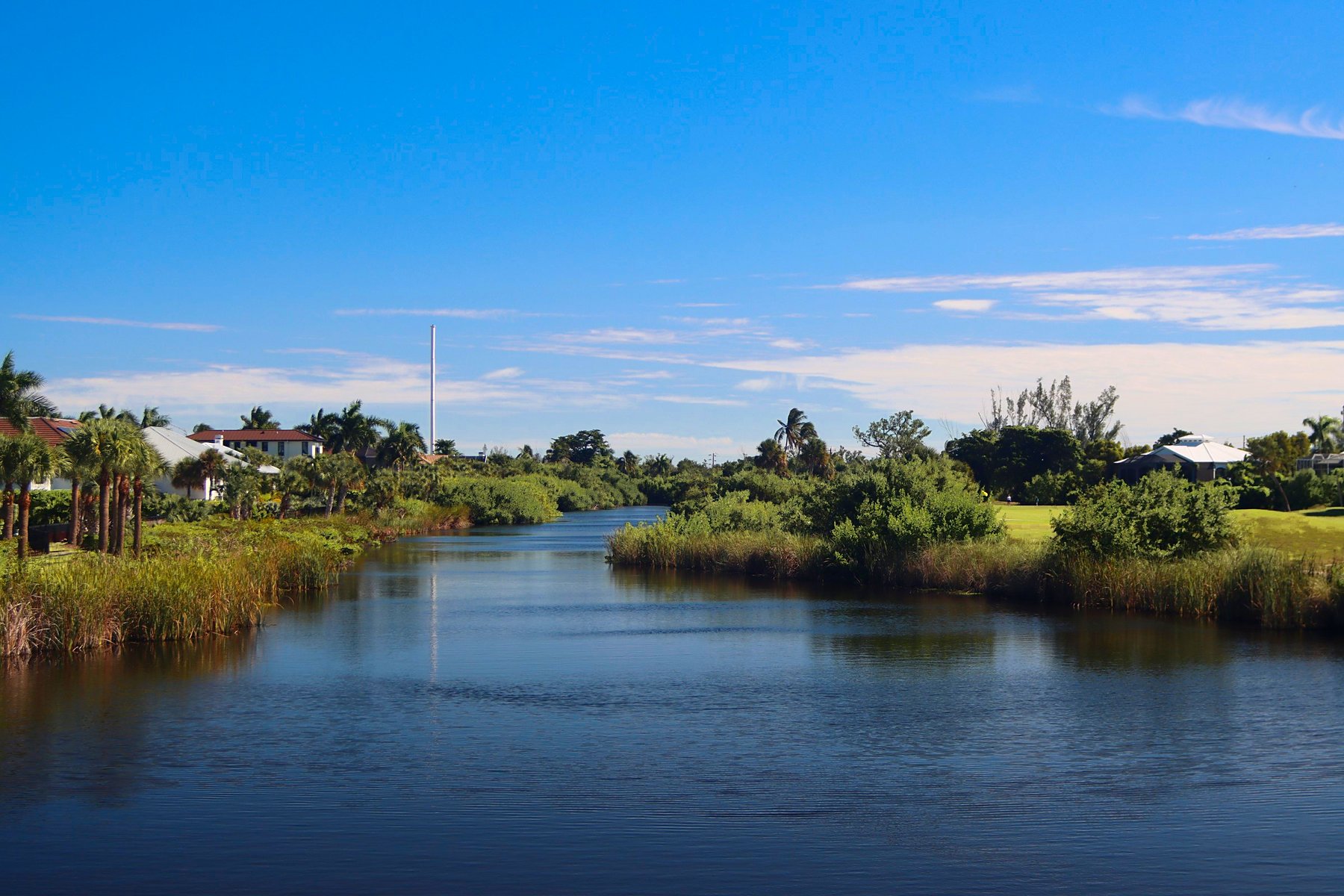
Who you might meet out here, from the crocodiles on the lake banks to the ospreys overhead.
Inside the sanctuary
Eleven regulars on the course.
Lake banks
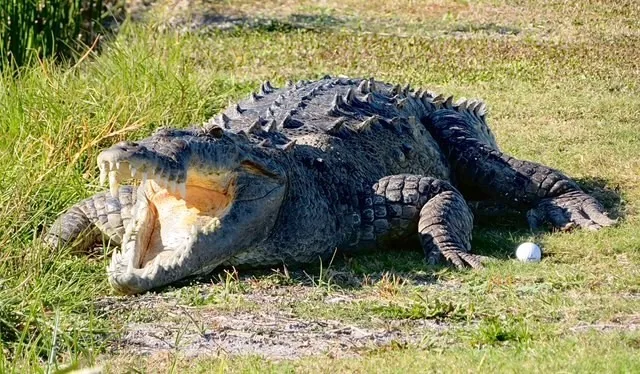
American crocodile
Crocodylus acutus
Gray-green, with a narrow snout and a lower tooth that shows when its mouth is closed. Crocs like salty and brackish water, and since Hurricane Ian they move around the island more. The open-mouth pose is how they cool off. Once endangered, Florida’s crocodiles are now listed as threatened. If your ball rolls up next to one, it’s theirs now.
High in the pines
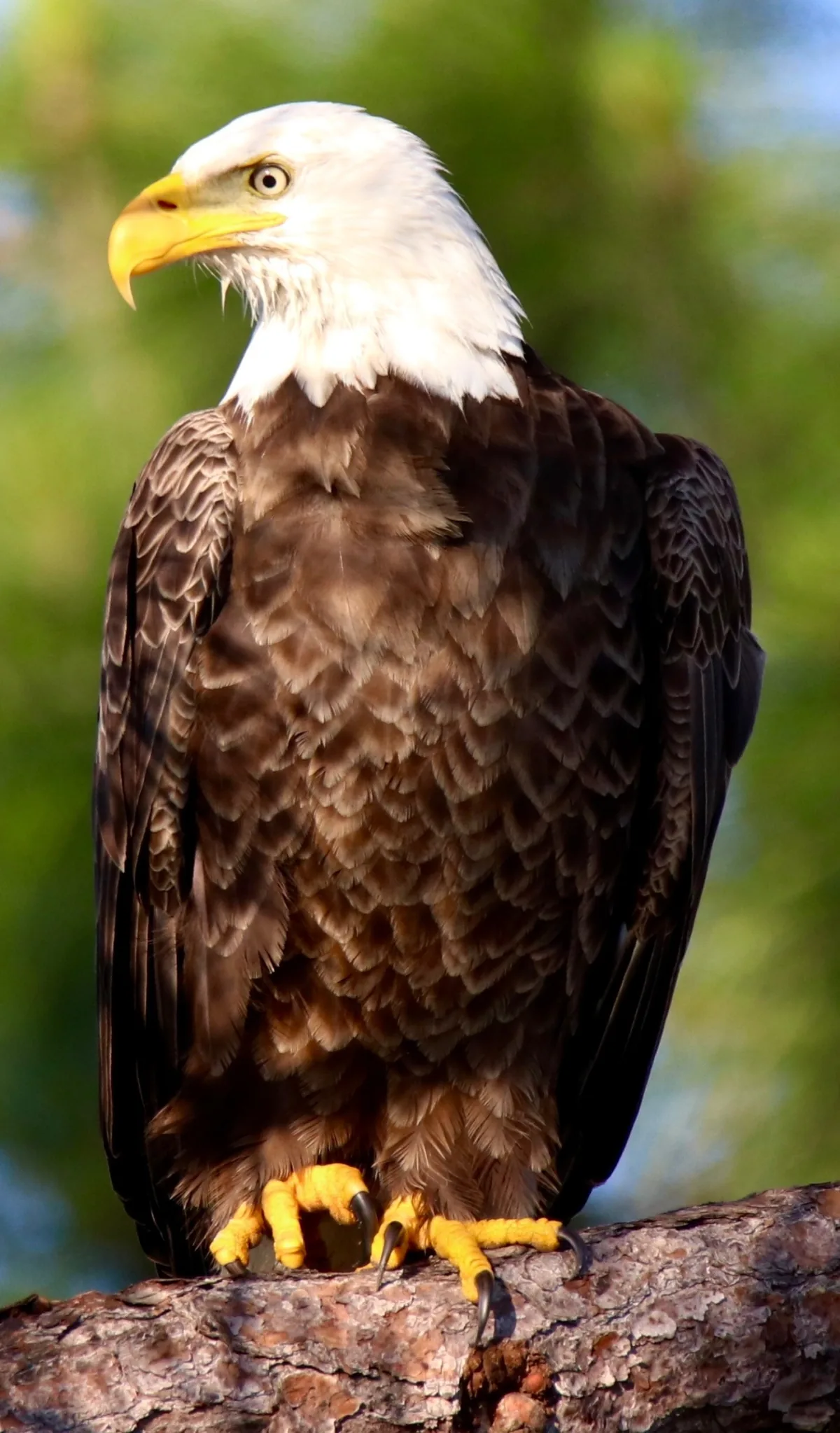
Bald eagle
Haliaeetus leucocephalus
White head, yellow bill and a wingspan of six feet or more. Once nearly gone from the lower 48, bald eagles came off the endangered list in 2007. Look up: they like a tall pine with a view of the water.
Rocks by the water
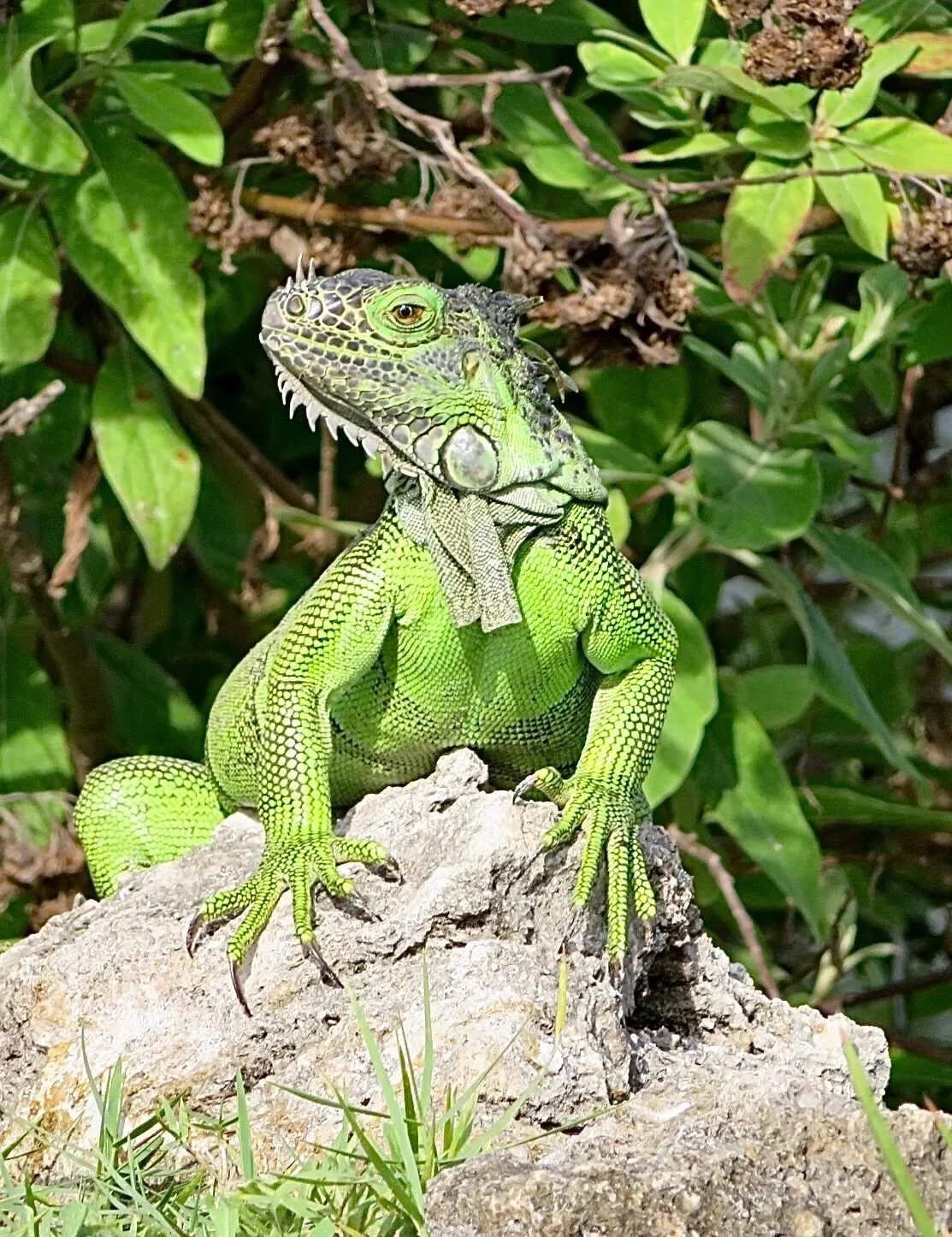
Green iguana
Iguana iguana
Not native. Iguanas came from Central and South America and are now settled in South Florida. Look for them sunning on the rocks.
Freshwater lakes
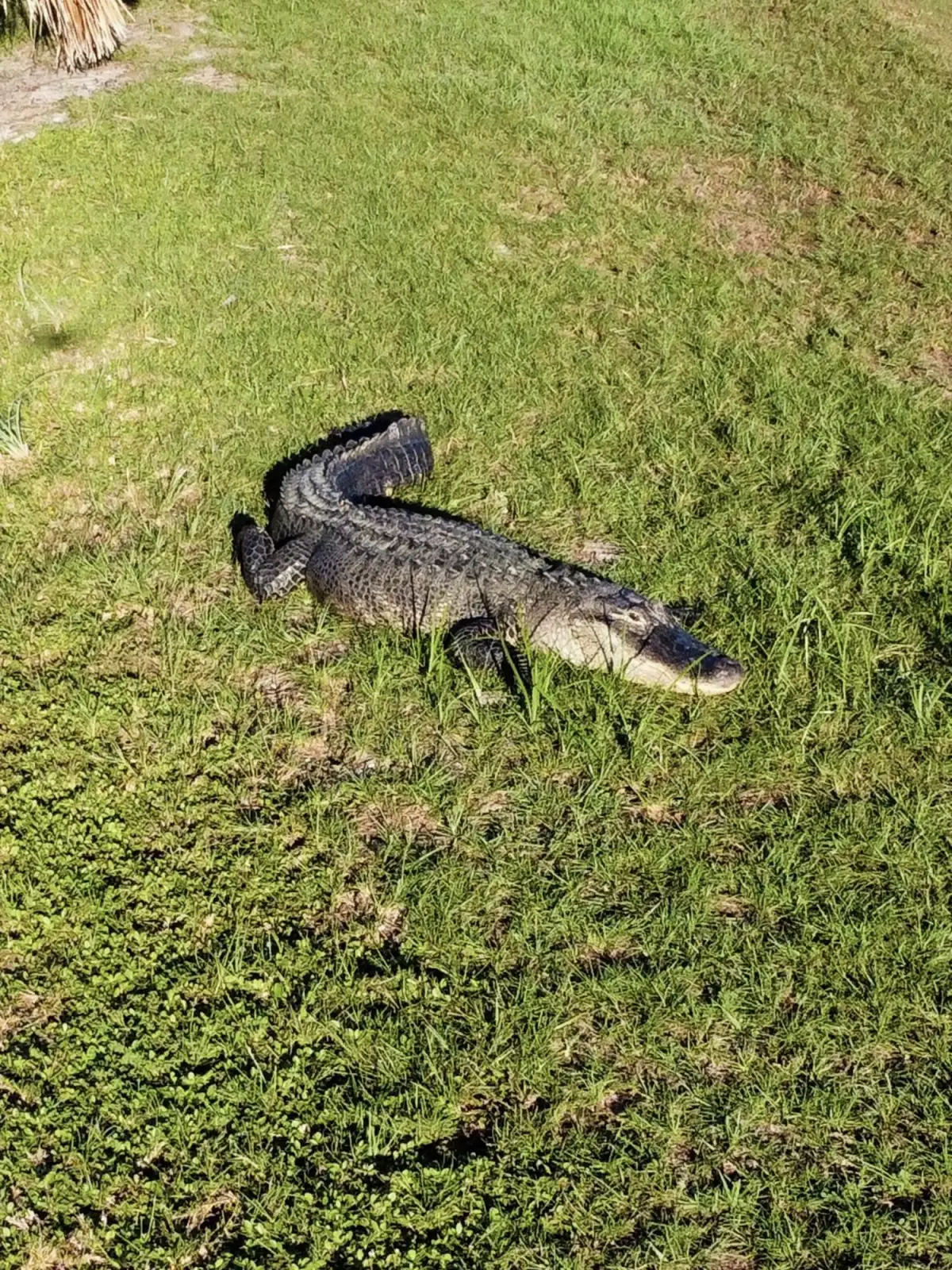
American alligator
Alligator mississippiensis
Darker and broader-snouted than a croc, with only the top teeth showing. Gators stick to our freshwater lakes. Give them plenty of room.
Overhead and on the treetops
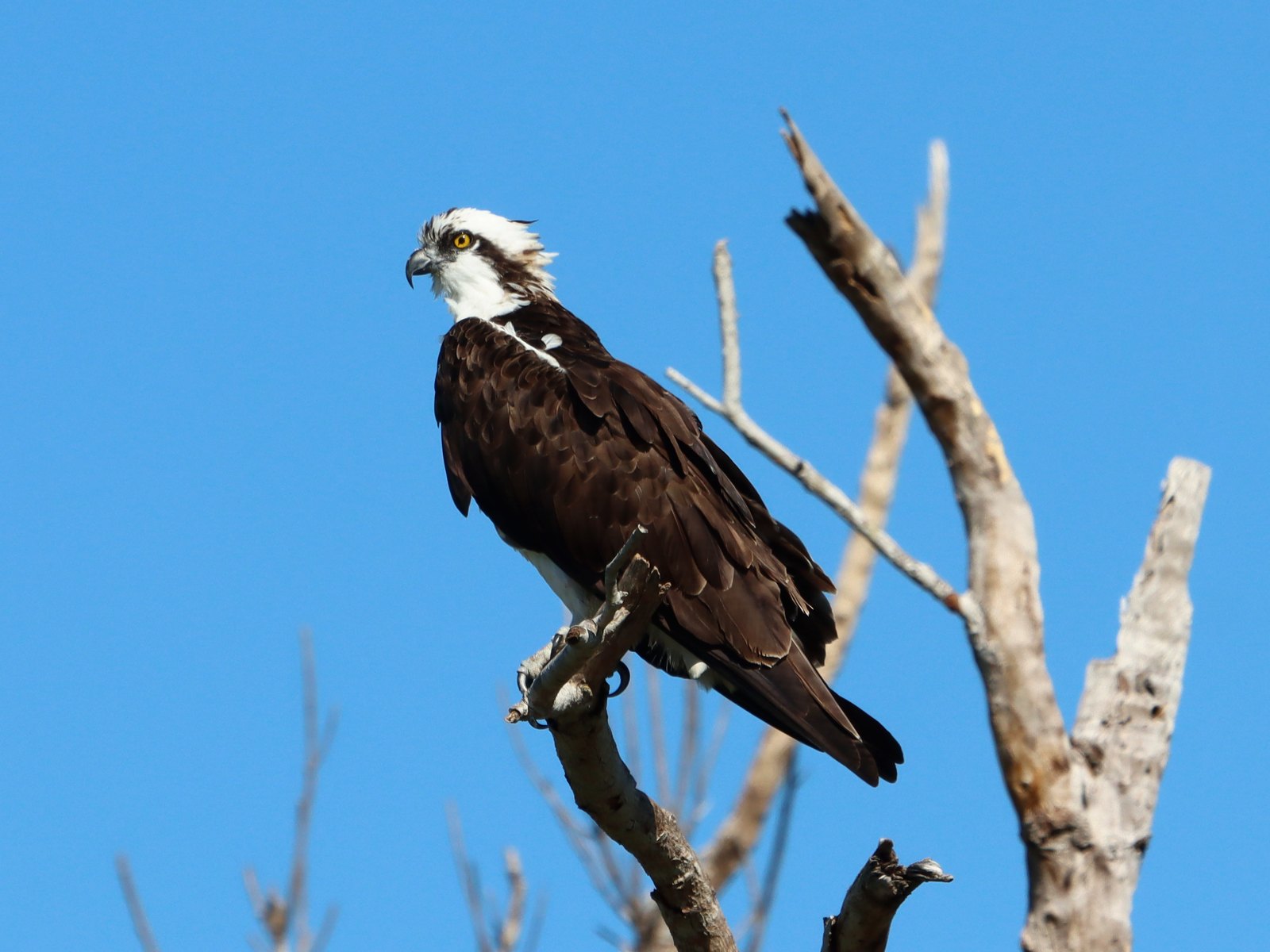
Osprey
Pandion haliaetus
The fish hawk. It eats almost nothing but fish, and you’ll see it hover and dive into the lakes. Nesting runs through winter and spring: by late March 2026, volunteers had confirmed at least 43 nests with chicks on Sanibel and Captiva.
Lake edges
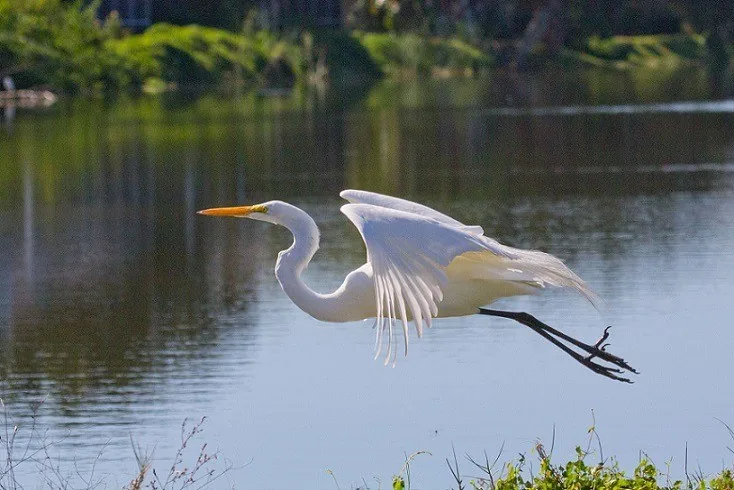
Great egret
Ardea alba
Tall and all white, with a yellow bill and black legs. It wades the shallows slowly, waiting to spear a fish.
Shallows and marsh edges
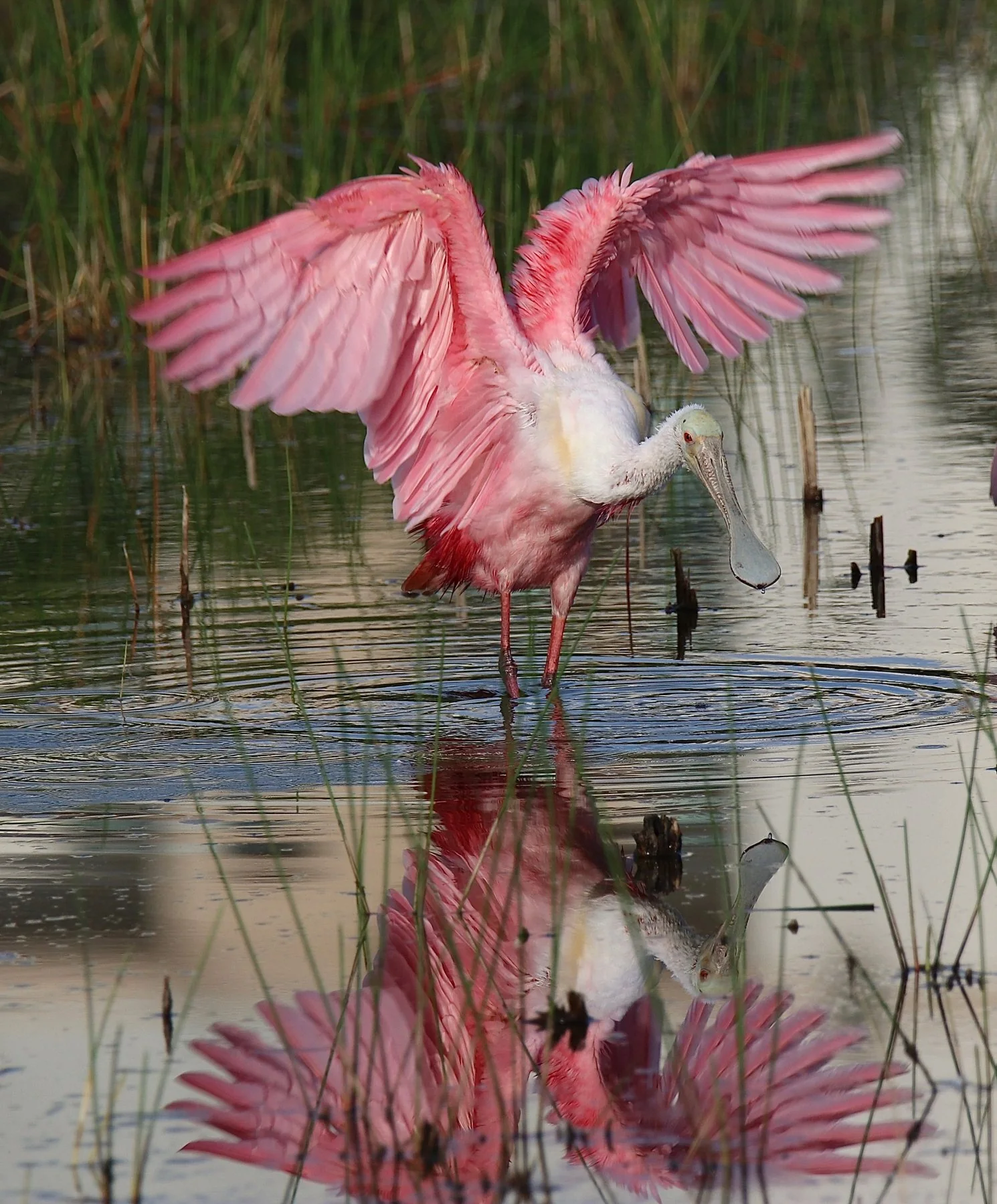
Roseate spoonbill
Platalea ajaja
Pink feathers and a flat, spoon-shaped bill. It wades the shallows sweeping that bill side to side to catch small fish and shrimp. The pink comes from what it eats.
Lake edges and reeds
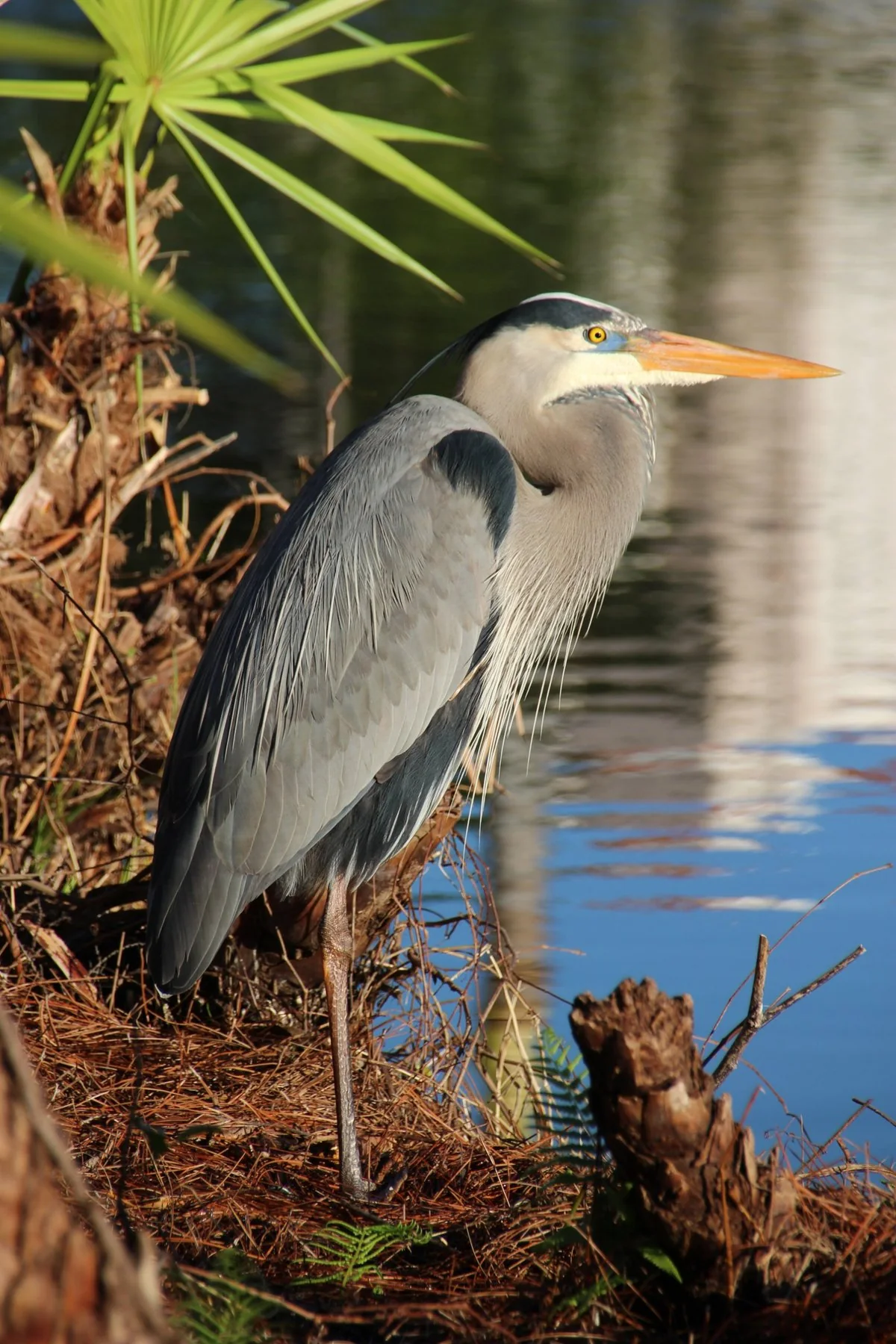
Great blue heron
Ardea herodias
The biggest heron you’ll see out here, gray-blue and close to four feet tall, with a wingspan around six feet. It stands dead still in the shallows, then strikes fast.
Fairway edges, early and late
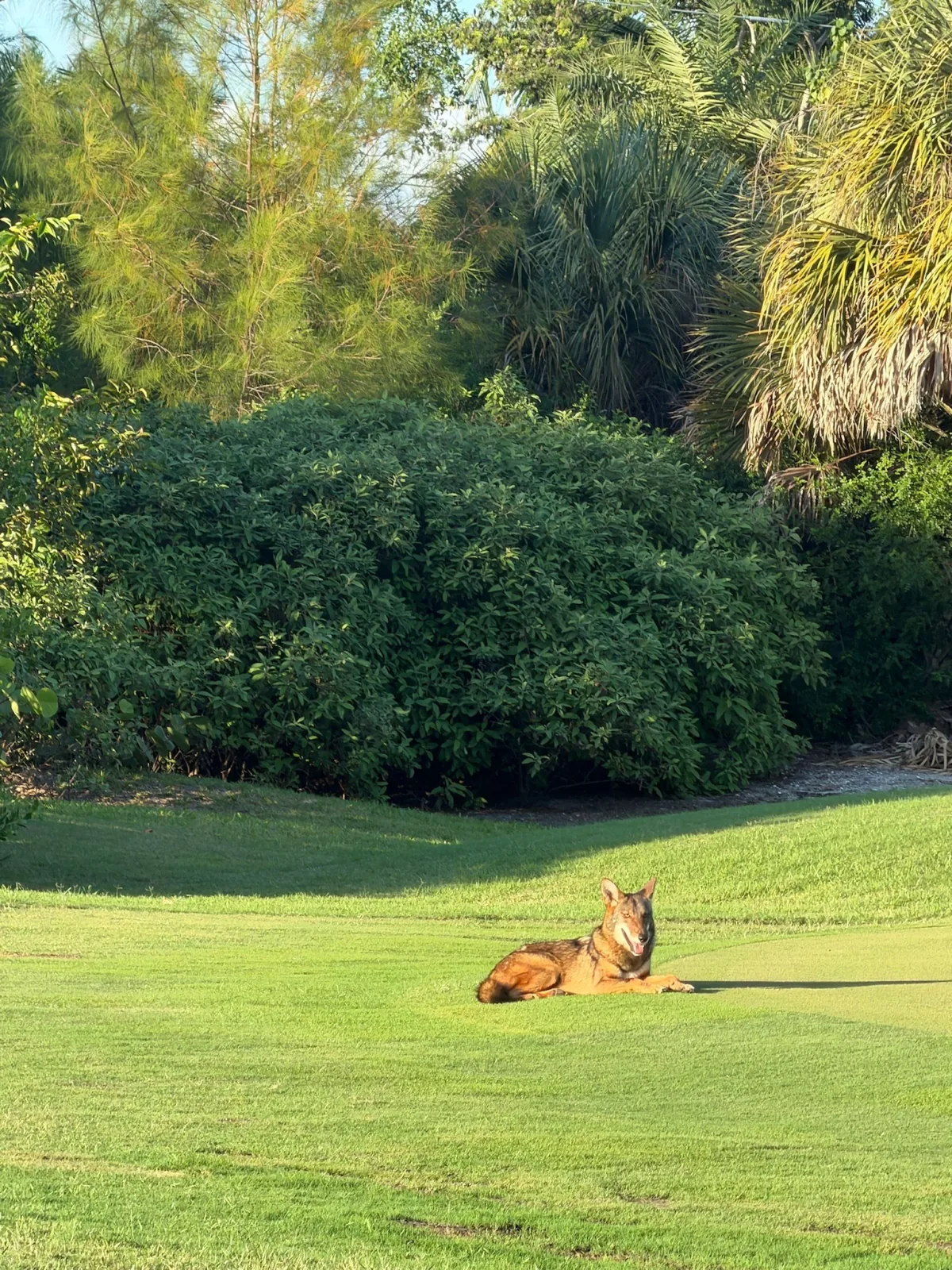
Coyote
Canis latrans
Strong swimmers. Coyotes were first confirmed on Sanibel in 2011, at the “Ding” Darling refuge. There are no documented attacks on people on the island. If one comes close, stand tall, speak firmly and back away slowly.
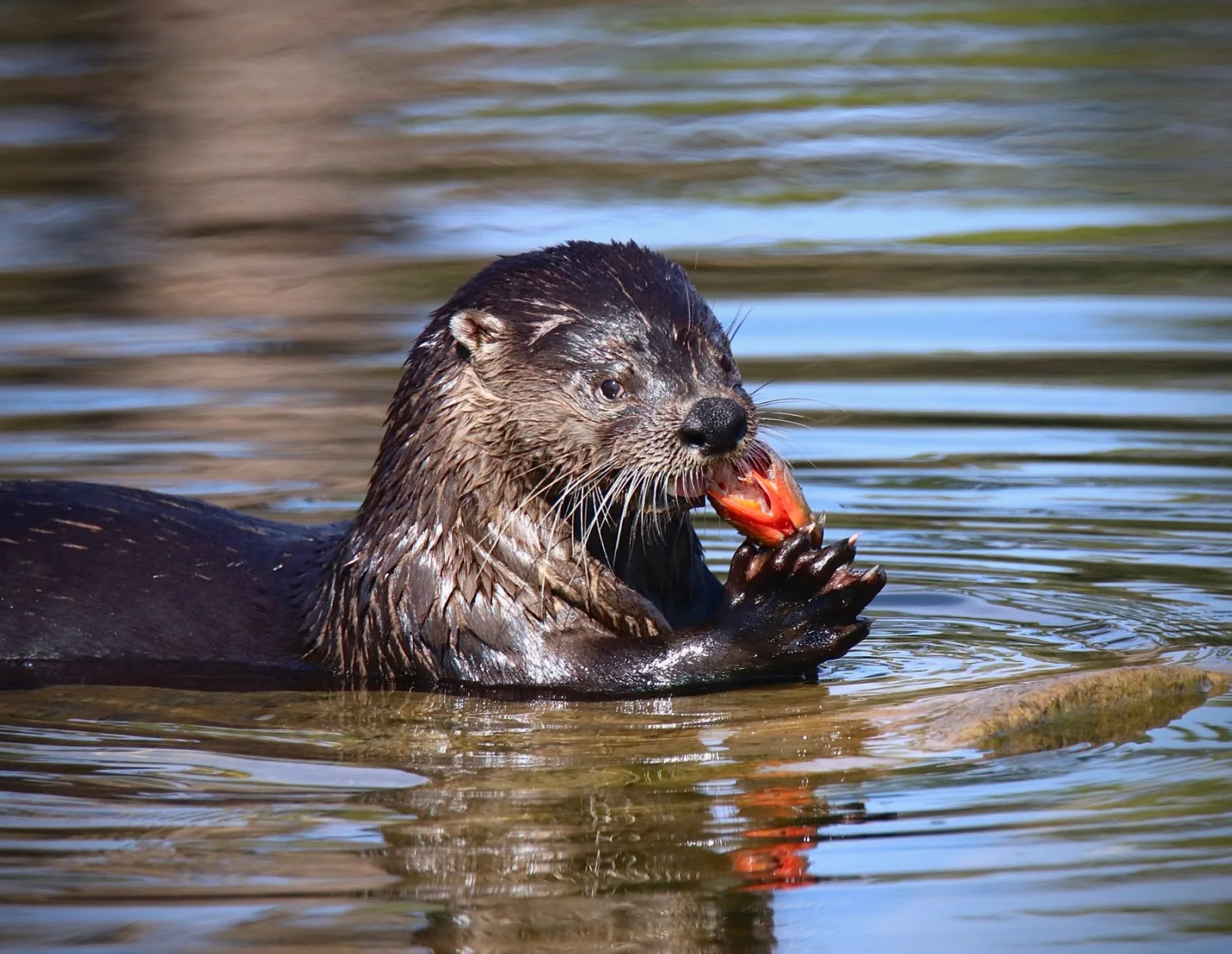
In the lakes
River otter
Lontra canadensis
Sleek, dark brown and fast in the water. Otters hunt fish in the lakes and often surface to eat, holding the catch in their front paws. Watch for a head and a V-shaped wake moving across the water.
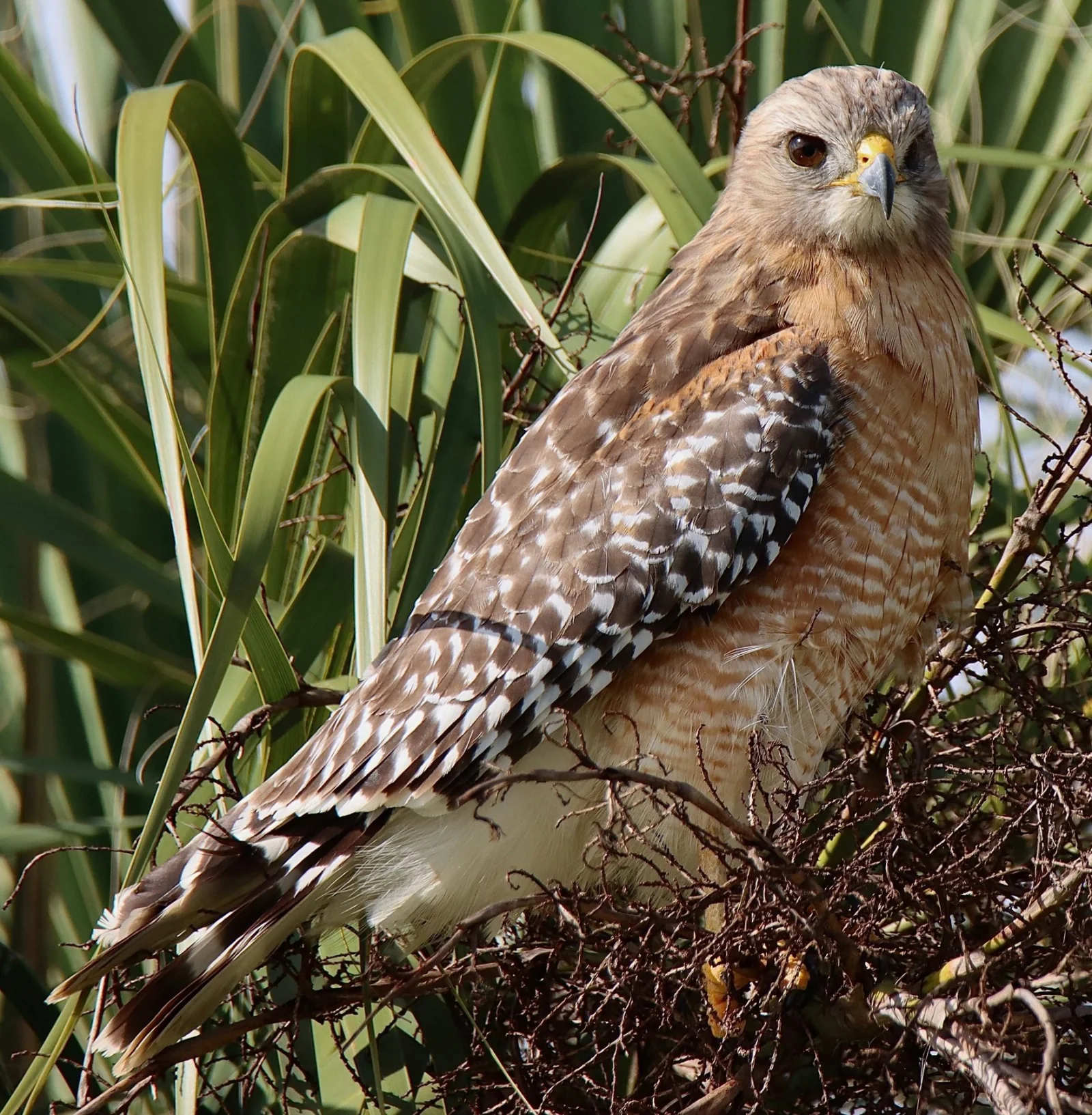
In the palms
Red-shouldered hawk
Buteo lineatus
A year-round local. Look for the rusty barred chest and the black-and-white banded tail, and listen for its loud, repeated “kee-ah” from the palms.
Play it safe
It’s their island too.
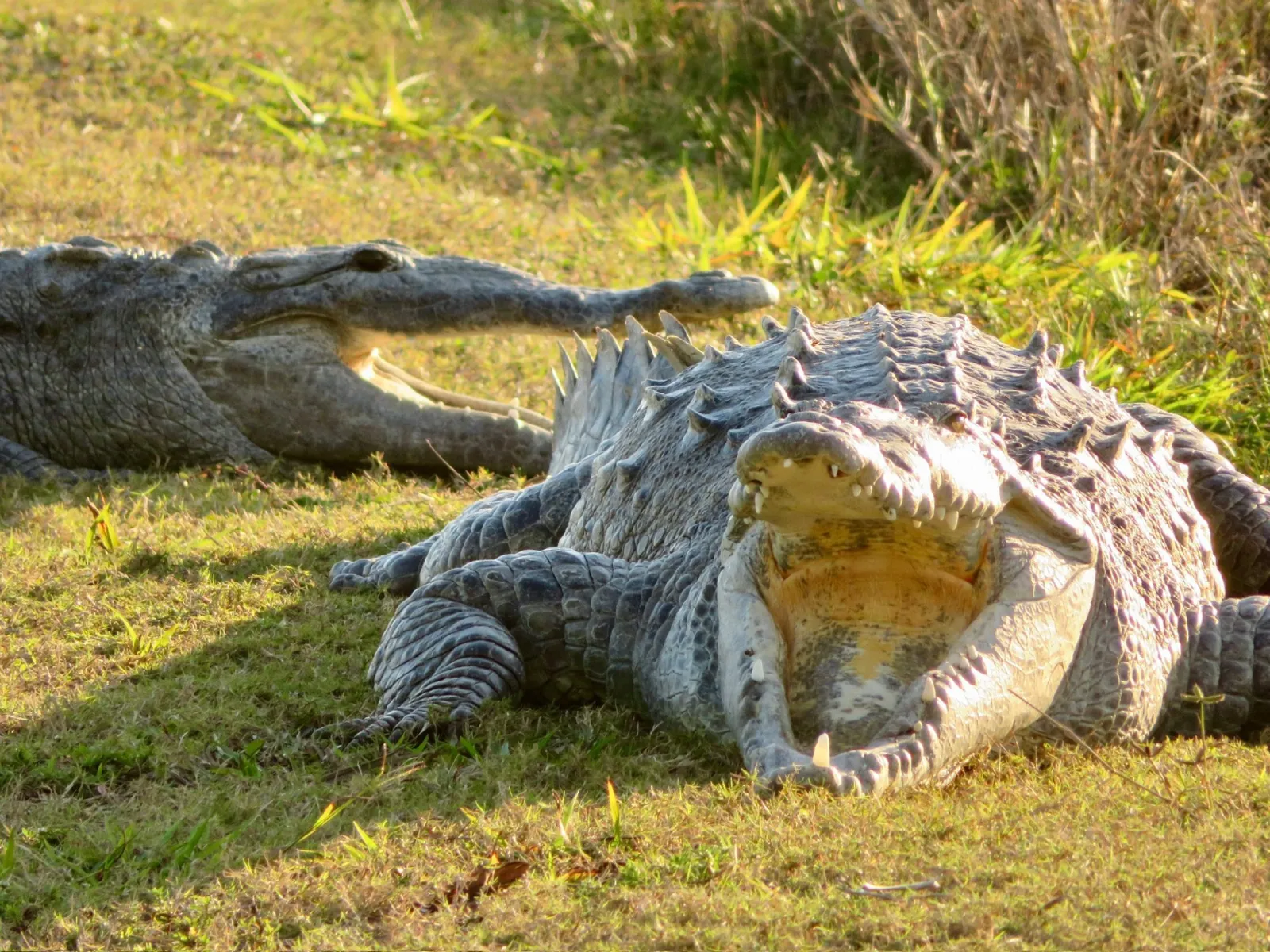
- Keep your distance from crocodiles and alligators, on land and at the lake edges.
- Never feed wildlife.
- Ball land near a gator or croc? Leave it and play on.
- Coyote close by? Stand tall, speak firmly and back away slowly.